Growing loufah, or luffa, has a been a race to the top. The huge trellis between our garage and studio has been empty since I was forced to remove our 30 year-old wisteria vine last November.
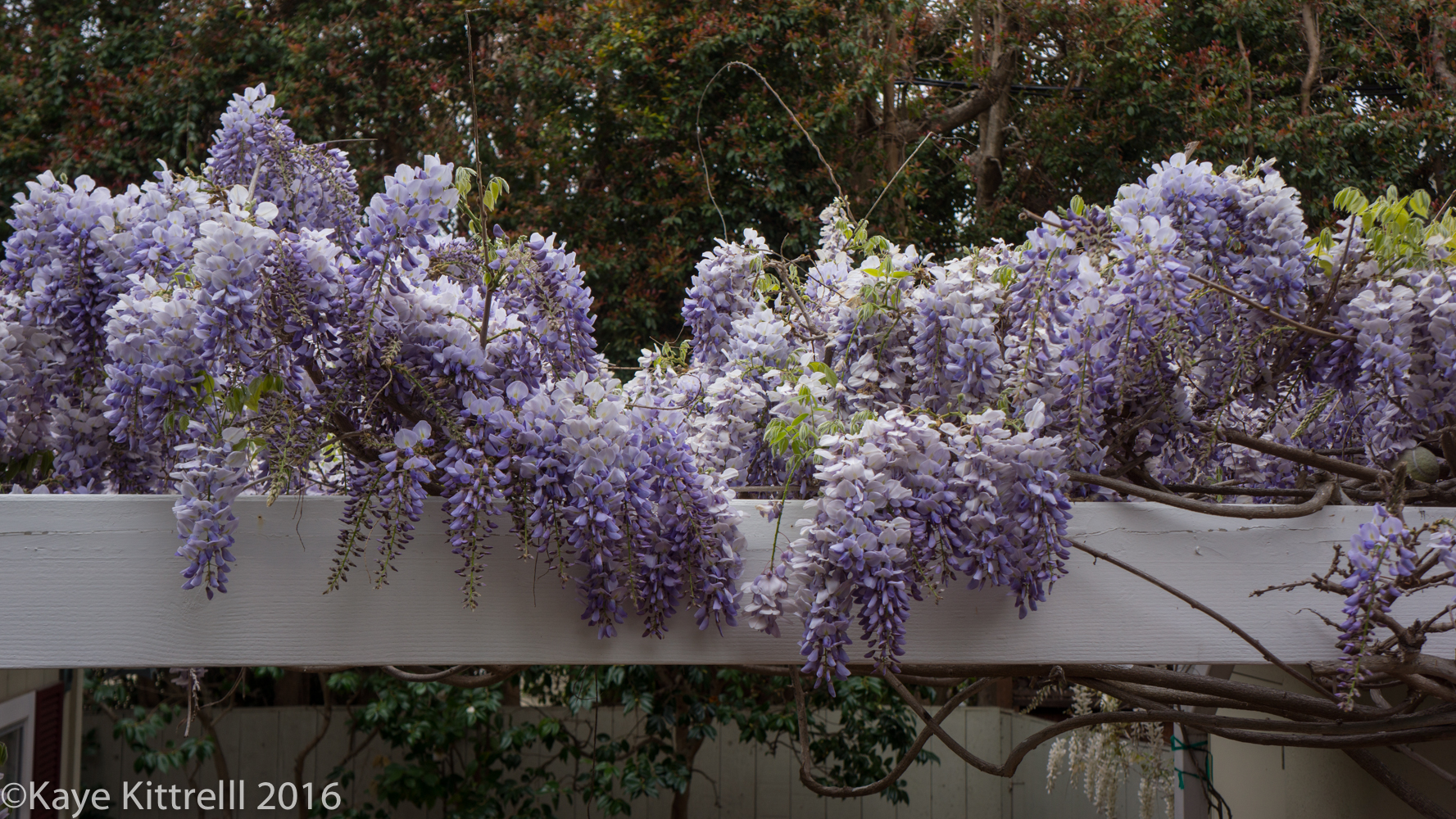
The massive trunk of the wisteria had moved the garage wall three inches and it was time to go. It was a huge operation to repair the wall, cracked cement, dig out the long planter and replace the soil. I prepped the planter for something wonderful. I’d hoped to plant passion flower vines there, but seeds I was sent by a Late Bloomer follower did not germinate.
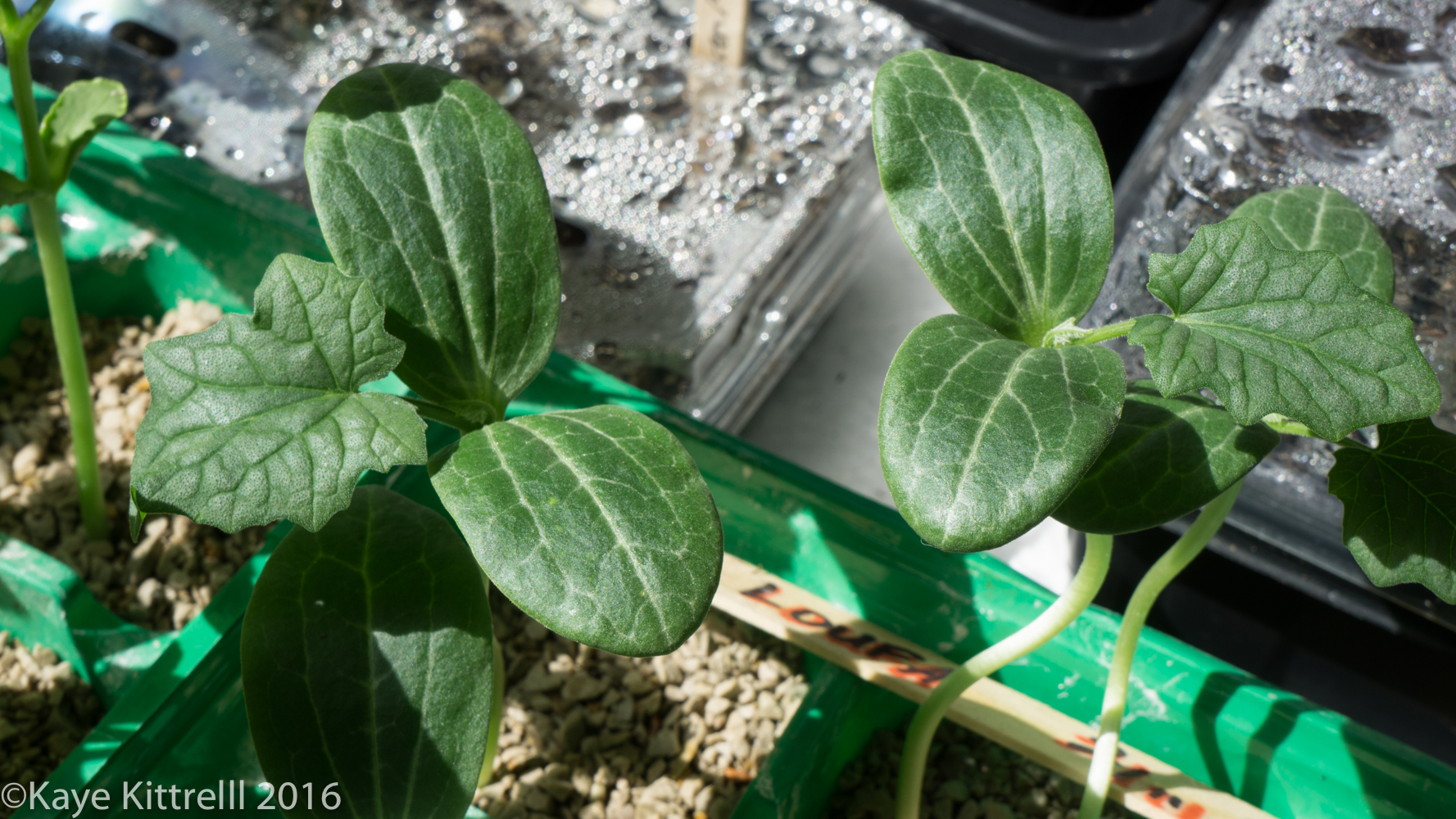
Most people think loufah sponges come from the ocean. “Luffa is a genus of tropical and subtropical vines in the cucumber family. …the luffa, also spelled loofah, usually means the fruit of the two species L. aegyptiaca and L. acutangula. The fruit of these species is cultivated and eaten as a vegetable. The fruit must be harvested at a young stage of development to be edible. The vegetable is popular in China and Vietnam.[2] When the fruit is fully ripened, it is very fibrous. The fully developed fruit is the source of the loofah scrubbing sponge which is used in bathrooms and kitchens. Luffa are not frost-hardy, and require 150 to 200 warm days to mature. If the loofah is allowed to fully ripen and then dry out on the vine, the flesh disappears leaving only the fibrous skeleton and seeds, which can be easily shaken out.” – wikipedia
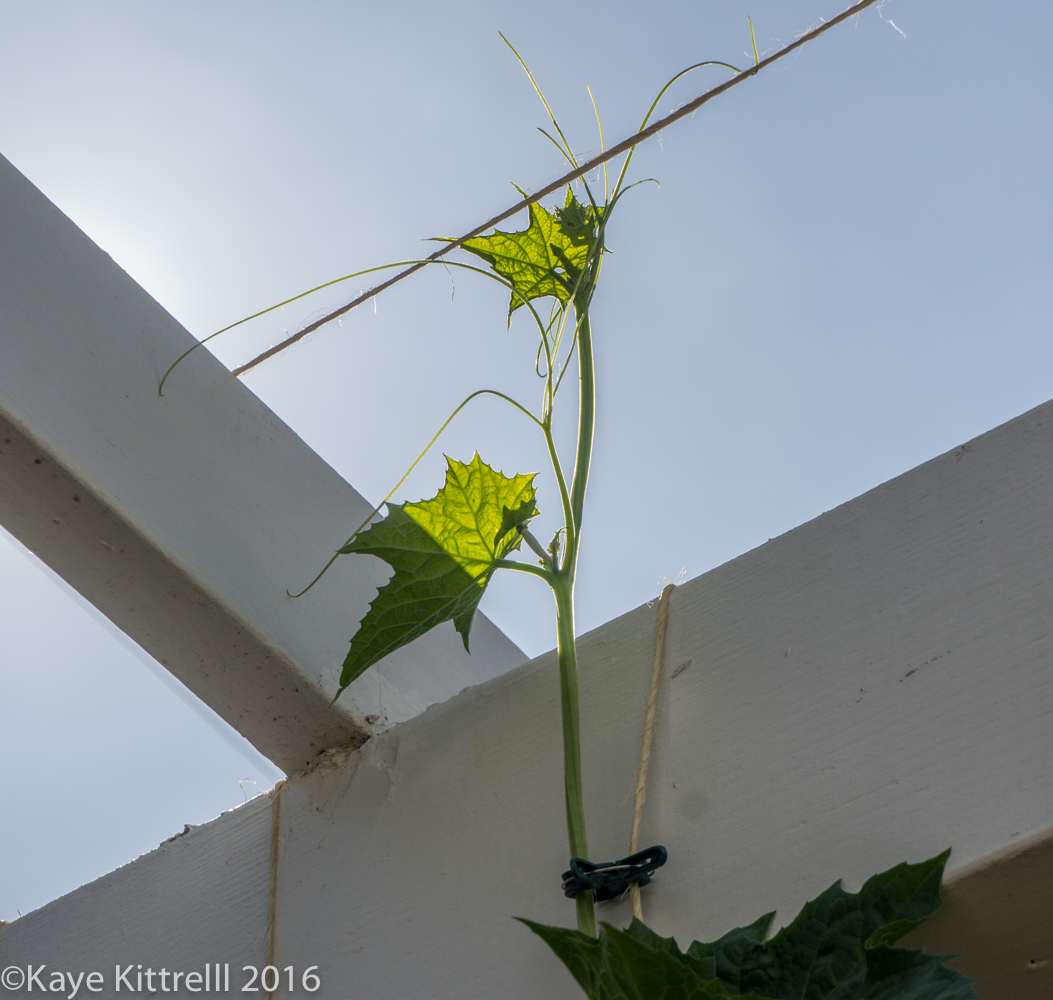
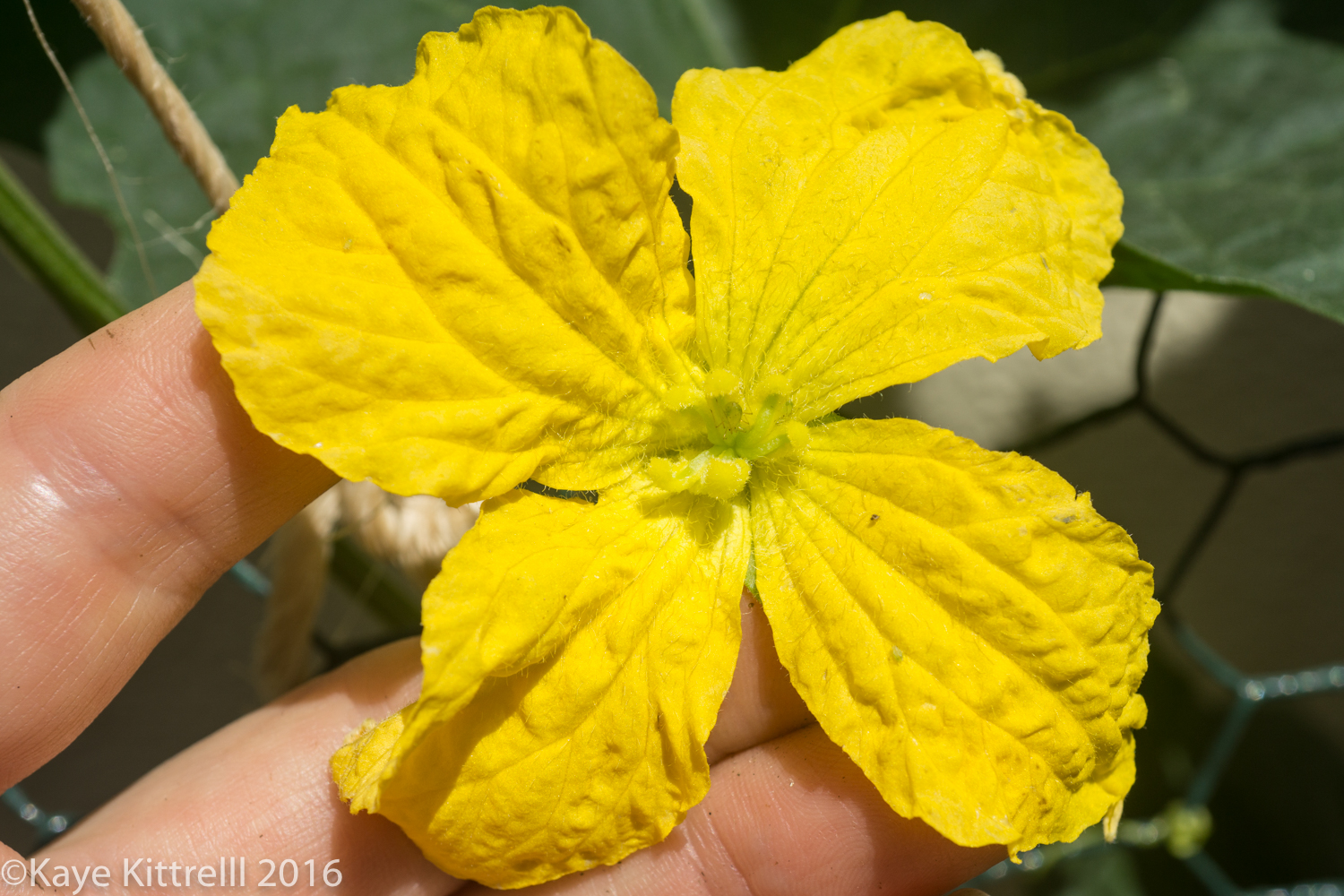
I had learned about growing loufah last year from a new friend, Sheri, and wrote this post, “Growing Loofah.“ She gave me seeds which I sprouted in January. I planted them out in late April. I knew they wouldn’t really take off till the vines were over seven feet long, and could access more sun.
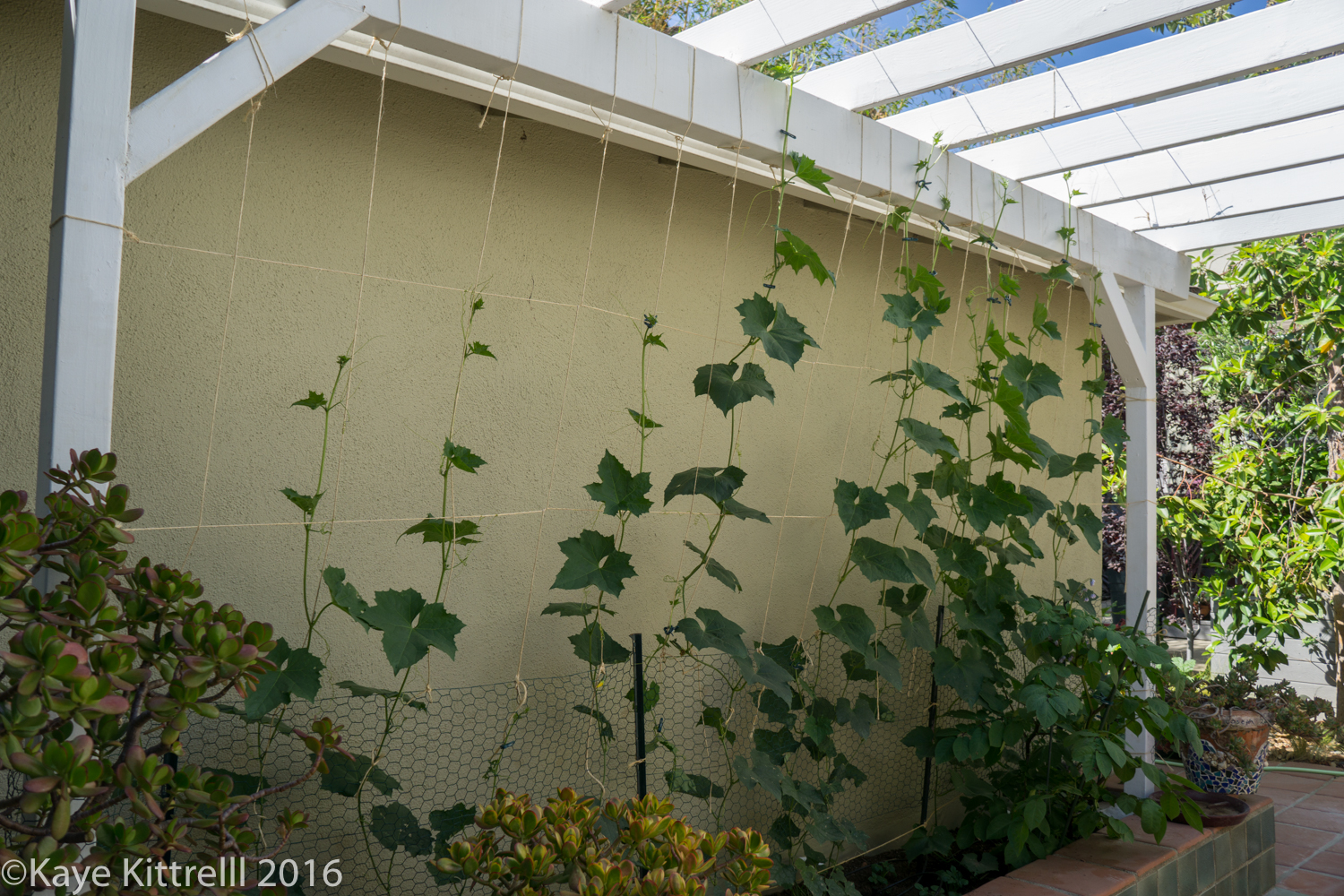
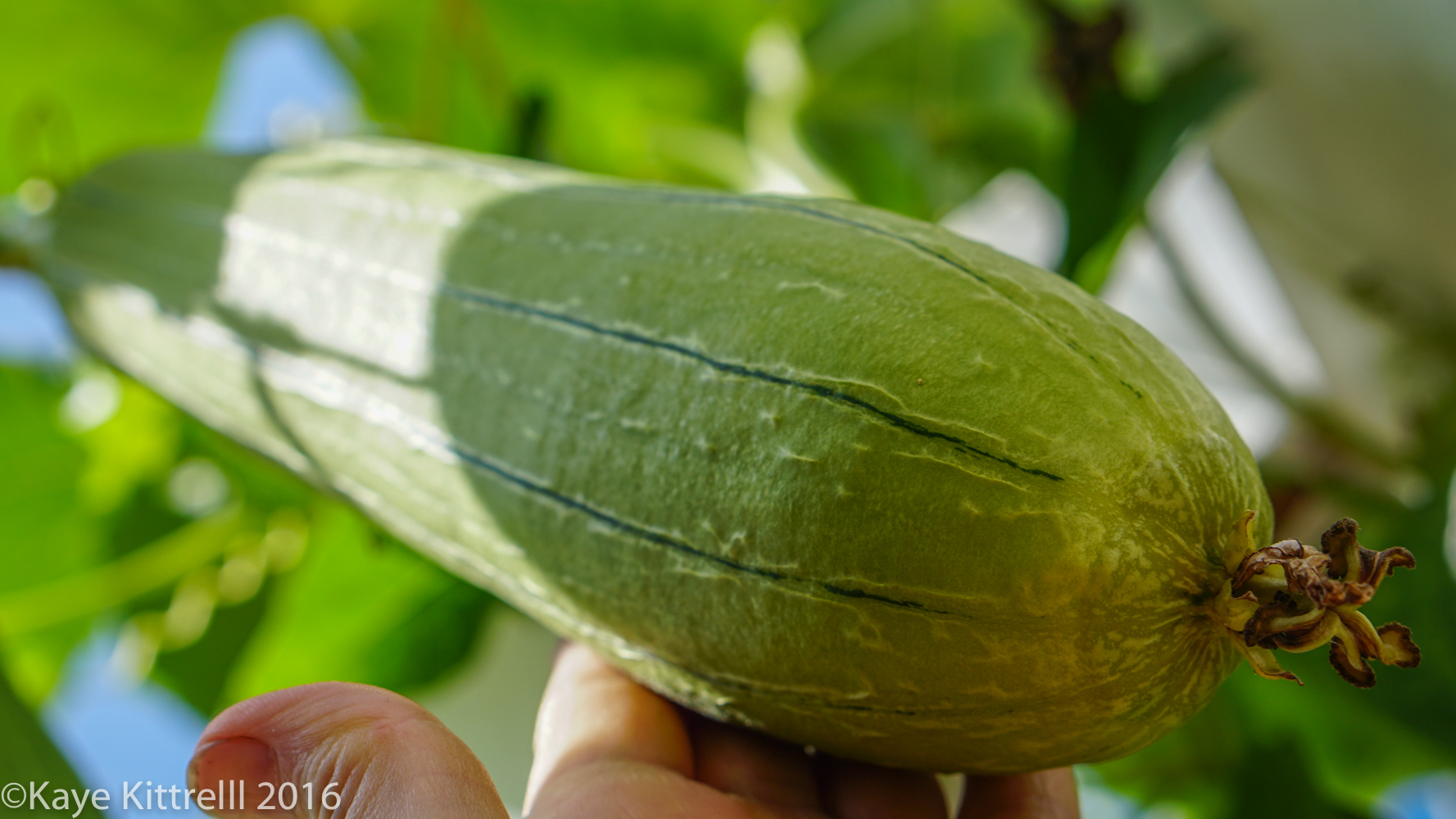
And they have. Vines are about 10″ to 15″ long today, and I have at least twenty loofah.
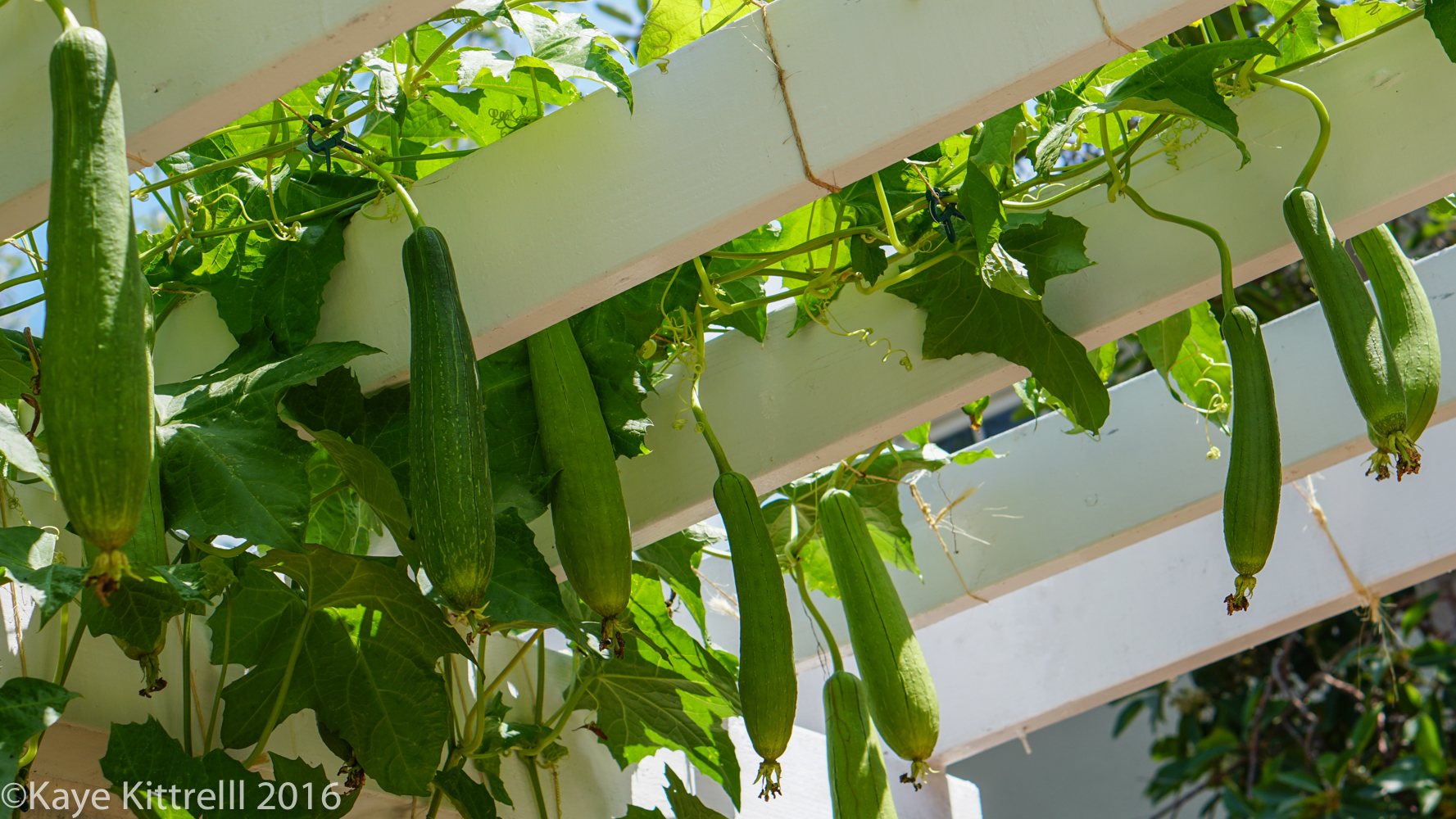
These are now too big to eat, and in fact, I had always planned to see if I could grow loofah for sponges. I’ll report back with the results. If they take at least 150 warm days to mature, I won’t have results till the end of September! Thanks for reading, and please share with a friend.
HOW YOU CAN HELP: I receive a small commission for promoting products I’ve used and believe in. Your support of these products helps me to continue to produce “Late Bloomer” episodes.
1) Order Botanical Interests seeds!

2) Make a donation! Keep Late Bloomer blooming! Thanks for your support!
3) Order a Growing Heirloom Tomatoes DVD from any page on this website.
Thank you!